
Ready to make your relationship official? The Court Marriage in Jhunjhunu process offers a simple way to get married under the Special Marriage Act of 1954.
The legal process takes about 30 days. You’ll only need to visit the marriage registrar’s office once or twice. The age requirements are straightforward – men must be 21 or older, while women need to be at least 18. Two witnesses must sign your marriage registry during the ceremony.
Marriage registration has become mandatory now. Your marriage certificate proves your legal union and becomes essential when you apply for spouse visas or start a new job. The Indian Constitution’s Article 21 protects your right to marry anyone you choose.
This piece will guide you through the court marriage process in Jhunjhunu. You’ll learn about other options like Arya Samaj marriage and understand when you might need a court marriage lawyer. Let’s help you make your legal union a smooth experience!
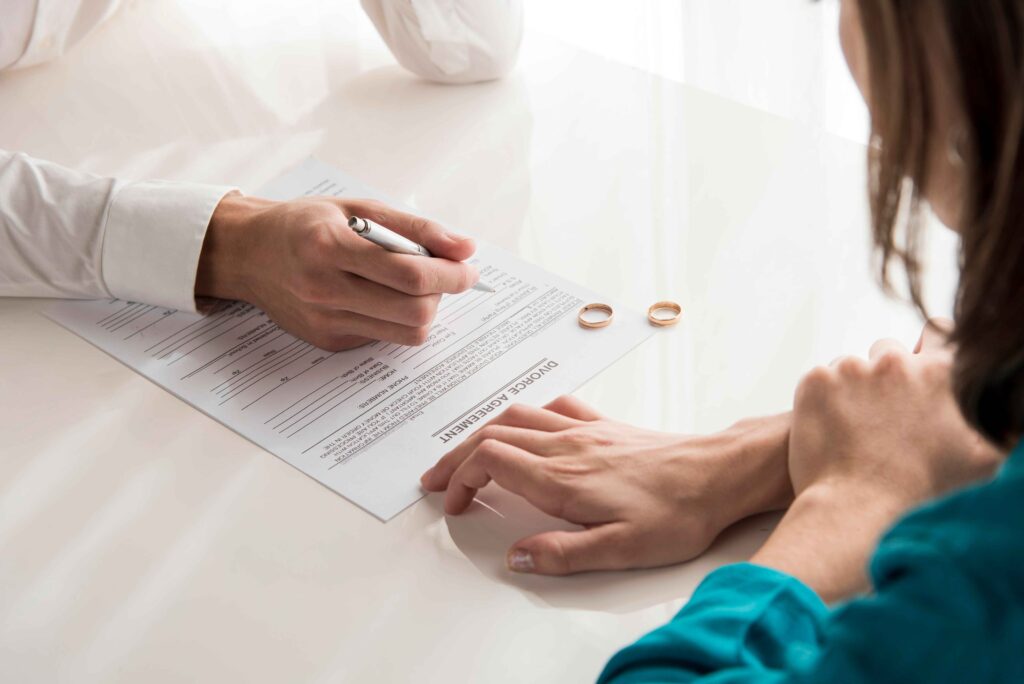
Eligibility for Court Marriage in Jhunjhunu
You need to know if you qualify for a court marriage in Jhunjhunu before starting the process. The Special Marriage Act of 1954 sets specific requirements that couples must meet to register their marriage legally.
Minimum age and marital status requirements for Court Marriage in Jhunjhunu
The law has clear age limits for Court Marriage in Jhunjhunu:
- The male partner must be at least 21 years of age
- The female partner must be at least 18 years of age
These age requirements apply to everyone, whatever their citizenship status. The same criteria hold true for both Indian citizens and foreigners who want to marry in Jhunjhunu.
Both parties must be legally single when they apply. This means:
- Neither person can have a living spouse
- People who were married before must show proof that their previous marriage ended through:
- A court’s divorce decree
- Their previous spouse’s death certificate
Consent and mental capacity for Court Marriage in Jhunjhunu
The law strictly bans bigamy in Jhunjhunu. So any existing marriage will make you ineligible for a Court Marriage in Jhunjhunu.
Free and informed consent are the life-blood of legal marriages in Jhunjhunu. Both parties must show:
- They want to marry freely without pressure or force
- They can understand what marriage means and its responsibilities
The Special Marriage Act lists specific mental capacity requirements. Both individuals must:
- Be capable of giving valid consent with a sound mind
- Not have mental disorders that make marriage and childbearing unsuitable
- Not have recurring bouts of insanity
These rules make sure both parties understand their marriage contract fully. The capacity test checks if people understand their relationship duties and financial obligations to each other.
Residency and jurisdiction rules for Court Marriage in Jhunjhunu
At least one partner must have a residential connection to Jhunjhunu:
- One partner needs to live in Jhunjhunu for at least 30 days right before submitting their notice
- The couple must verify they are Jhunjhunu’s official residents
This rule applies to everyone – Indian citizens and foreigners alike. Foreign nationals who want to marry under the Special Marriage Act must:
- Stay in India for at least 30 days before applying
- Show valid proof they live here
The couple must give their marriage notice to the Marriage Officer where one partner meets the 30-day residency rule.
The law bans marriages between people who are too closely related. Notwithstanding that, some exceptions exist if your customs allow such marriages.
Foreign nationals might need extra documents, but they must meet the same basic requirements as Indian citizens.
A full picture of these requirements will help make your court marriage process smoother in Jhunjhunu. The next section shows you the exact steps to follow once you know you qualify.
Step-by-Step Court Marriage Process
After confirming your eligibility for court marriage, going through the actual process becomes your next challenge. The Court Marriage in Jhunjhunu procedure follows a clear process under the Special Marriage Act. Let me break down the steps:
Hire a court marriage lawyer in Jhunjhunu
A competent court marriage lawyer makes this complex legal process much simpler. A qualified attorney will:
- Direct you through the entire procedure from start to finish
- Help organize and verify your documentation
- Ensure all paperwork meets legal requirements
- Represent you at the marriage registrar’s office when needed
Professional legal assistance prevents common pitfalls that could delay your marriage registration. Court marriage lawyers in Jhunjhunu take care of everything from preparing application forms to organizing documentary evidence, affidavits, and NOCs required during the process.
Call Advocate Pankaj – 8810664924 to get individual-specific guidance through this important life event and help you through the Court Marriage in Jhunjhunu process quickly.
Submit notice of intended marriage
The first official step requires you to submit a “Notice of Intended Marriage” to the marriage officer:
- Choose the appropriate district for submission – this must be where at least one partner has lived for a minimum of 30 days
- Complete the marriage application form with details of both partners
- Both partners must sign the application
- Submit the application exactly 30 days before your intended marriage date
Both partners usually sign the application. Some jurisdictions allow one partner to sign the application and authorize their lawyer to submit it on their behalf.
30-day public notice and objection period
A mandatory 30-day waiting period starts after your application:
- The marriage officer displays your notice in a visible place at the marriage office
- This notice has names, ages, and details of both parties
- Your notice goes into the “Marriage Notice Book” managed by the registrar
- Anyone with valid legal grounds can object to the marriage during this period
Section 6 of the Special Marriage Act, 1954 requires this 30-day notice period. The marriage officer can break down any objections and potentially stop the process. The good news is you can move to the final step if no one objects during the 30-day period.
Final appearance and declaration before registrar for Court Marriage in Jhunjhunu
On the scheduled date after the notice period:
- Both partners must appear before the marriage registrar in person
- Bring three witnesses who will also be present during the ceremony
- Sign the declaration form of marriage in front of the marriage registrar
- The witnesses will also sign the marriage certificate
- The marriage officer will complete the solemnization process
Court marriages in Jhunjhunu don’t involve religious customs or rituals. The focus stays on legal declarations and signatures. The marriage registrar issues your marriage certificate after you sign all necessary documents, which proves your union legally.
Note that you must complete the marriage ceremony within three months of submitting your notice. You’ll need to start over with a fresh application if you don’t.
The process usually needs only one or two visits to the marriage registrar’s office. This makes it a straightforward option for couples who want legal recognition without elaborate ceremonies.
Documents Required for Court Marriage in Jhunjhunu
Getting your documentation right is vital to your court marriage in Jhunjhunu. The marriage registrar needs specific papers from both partners and witnesses to register your union legally. Let’s get into what you need to gather before visiting the registrar’s office.
Identity and address proof for Court Marriage in Jhunjhunu
You and your partner must provide valid identity and address proof documents. The authorities accept several options:
For identity proof (any one is sufficient):
- Aadhar Card
- PAN Card
- Passport
- Driving License
- Voter ID Card
For address proof (any one is sufficient):
- Aadhar Card
- Rent Agreement
- Voter ID Card
- Gas Bill
- Electricity Bill
These documents verify your identity and show where you live in Jhunjhunu. It helps to have multiple forms of ID since some documents can serve as both identity and address proof.
Age proof documents for Court Marriage in Jhunjhunu
Age verification plays a significant role since Court Marriage in Jhunjhunu have strict age requirements. You can prove your age with:
- Birth Certificate
- School Leaving Certificate showing date of birth
- Class 10th Marksheet or Examination Certificate
- Passport showing date of birth
- Driving License with birth date information
The marriage registrar checks these documents to make sure both partners meet the legal age requirements—21 years for males and 18 years for females.
Photographs and application form for Court Marriage in Jhunjhunu
Your application needs:
- 6 passport-sized photographs of each partner (male and female)
- A completed application form
- Fee receipt for marriage registration
Your photographs should be recent and clear with a plain background. Some registrar offices might take extra photos during your visit using their webcam. The photographs should match their guidelines (typically 5cm x 4.5cm or 2″ x 1.75″).
Need help organizing your documentation? Call Advocate Pankaj – 8810664924 who can help you prepare documents for your court marriage in Jhunjhunu and ensure everything meets legal requirements.
Witness documents and IDs for Court Marriage in Jhunjhunu
Your Court Marriage in Jhunjhunu needs witnesses. Each witness must provide:
- Identity proof (like the couple’s requirements)
- Address proof documents
- 2 passport-sized photographs per witness
- PAN Card of each witness
You’ll need two or three witnesses for your court marriage in Jhunjhunu. These people must attend the final ceremony and sign the marriage registry as legal witnesses.
Conditional documents (divorce, death, NOC) for Court Marriage in Jhunjhunu
Some situations need extra documentation:
If you were previously married:
- Divorce decree: Required if either partner is divorced
- Death certificate: Required if either partner is widowed
If you’re a foreign national:
- NOC (No Objection Certificate) from your embassy about your marital status and nationality
- Passport with valid visa
- Additional documents that Indian authorities might specify
For intercaste or inter-religion marriages:
- Affidavits on Rs. 10/- non-judicial e-stamp paper
- Special declarations under the Special Marriage Act might be needed
Start organizing these documents early. Have a legal professional check them to avoid delays in your court marriage process. Keep multiple copies handy as you might need them at different stages of registration.
Options for Same Day Marriage
Couples often look for quick marriage solutions instead of going through the lengthy court marriage process. Time matters when you need to get married quickly, so knowing your options is vital.
Why same day court marriage is not possible in Jhunjhunu
You can’t get a same-day court marriage in Jhunjhunu because of mandatory legal timelines. The standard court marriage process needs:
- A 30-day waiting period after you submit your marriage notice
- Your marriage notice displayed at the registrar’s office
- Time for people to raise and resolve any objections
The Special Marriage Act’s rules make quick Court Marriage in Jhunjhunu legally impossible. This waiting period acts as a safety measure that gives enough time for legal checks and public objections. Also check our other service of Same Day Court Marriage in Jaipur.
How Arya Samaj marriage in Jhunjhunu enables faster registration
Good news for couples who want a faster option – Arya Samaj marriage in Jhunjhunu offers several benefits:
- You can get married the same day if you have all your papers ready
- The ceremony follows Vedic traditions but stays simple and budget-friendly
- The law recognizes Arya Samaj marriages under the 1937 Validation Act
- You can use the certificate anywhere in India for further registration
What you need for an Arya Samaj marriage in Jhunjhunu:
- Your ID and address proof (Aadhar Card, Voter ID, Driving License, etc.)
- Documents that prove your age (Birth Certificate or Class X certificate)
- Passport-sized photos of both partners
- Two or three witnesses with their IDs
- Extra documents if needed (divorce decree, death certificate)
- Both partners must show up for the ceremony
An Arya Samaj marriage usually costs between 5000 to 10,000 rupees. This covers everything – registration fees, venue charges, puja materials, and marriage affidavit costs.
The ceremony ends with a legal Arya Samaj Marriage Certificate. Later, you can take this certificate to register your marriage at the local marriage registration office or court. This two-step process lets you marry quickly and still get official government recognition.
Alternative locations for same day court marriage
While same-day court marriages aren’t available in Jhunjhunu, you have other options:
- Professional service providers: Some services say they can help you get same-day marriage certificates in Jhunjhunu. These providers usually:
- Take payment after completing the service
- Book appointments with the SDM office
- Help prepare your documents
- Online appointment scheduling: Book an online appointment at the SDM office and bring:
- Your marriage photos
- Address and age proof documents
- Arya Samaj marriage certificate
- Two witnesses
- Nearby locations: You might want to travel to places with quicker marriage registration if time is tight.
These alternatives might speed things up, but make sure any service you pick is legal. Using an Arya Samaj marriage certificate as your starting point for court registration remains the safest choice.
A court marriage lawyer in Jhunjhunu can guide you through these options safely if you’re unsure about the legal details. These experts know both traditional Court Marriage in Jhunjhunu and quick Arya Samaj options, so your marriage stays legally valid whatever path you take.
Keep all your paperwork in order, even with faster options. A legally recognized marriage gives you rights and protections that informal arrangements just can’t match.
Special Cases: Intercaste, NRI, and Foreigner Marriages
Marriage laws need extra legal paperwork in special situations. Couples who belong to different castes, NRIs, and foreign nationals must meet specific requirements to get married in Jhunjhunu courts. Let’s look at what these special cases need to make the legal process smoother.
Intercaste marriage under Special Marriage Act
The Special Marriage Act of 1954 creates a legal path for marriages between people of different religions or castes. This law comes with several benefits:
- Couples from different faiths can marry legally without changing their religion
- Civil law recognizes the marriage whatever the religious backgrounds
- Both spouses receive equal rights and protection
The standard court marriage process applies to intercaste Court Marriage in Jhunjhunu. These cases need extra attention because of possible objections. The Act lets couples from any religion marry legally under Indian law.
Everyone has the right to choose their life partner under the constitution. Article 21 protects this basic right and makes intercaste marriages completely legal, even if society objects.
Document requirements stay mostly the same as regular Court Marriage in Jhunjhunu. Couples should be ready for family objections during the 30-day notice period.
NRI and foreigner marriage requirements
Extra rules apply when one partner is an NRI (Non-Resident Indian) or a foreign national. The Special Marriage Act states:
- Two people can marry under this Act in India if at least one is an Indian citizen
- The bride or groom must be an Indian citizen
- Age rules still apply – men must be 21 or older and women must be 18 or older
Couples with foreign nationals need these documents:
- Passport copies from both partners with valid visas
- Proof they live in Jhunjhunu
- Documents showing they stayed in the district for over 30 days
- Proof of marital status from the foreigner’s country
Need help with NRI or foreigner marriage registration? Call Advocate Pankaj at 8810664924 to get expert guidance through these special requirements.
Both parties must be single, mentally sound, and not closely related by blood.
Affidavits and embassy NOCs
Getting a No Objection Certificate (NOC) from the relevant embassy or consulate is crucial for marriages with foreign nationals.
NOCs are important because they:
- Show there are no legal blocks to marriage from the foreigner’s side
- Make sure both countries recognize the marriage
- Help with visa and immigration paperwork
- Make it easier to handle property deals and joint bank accounts
Indian citizens marrying foreigners must get this NOC from the Indian government. Foreign partners need to show a marital status certificate from their embassy or consulate in India.
Previously married partners need extra documents:
- Divorce papers if divorced
- Death certificate if widowed
Arya Samaj marriages with foreigners also need the NOC. Foreign nationals must show their embassy NOC before the ceremony starts.
These special cases have complex legal requirements. Working with a court marriage lawyer in Jhunjhunu is a great way to get through the process. They can guide you through local rules and help avoid delays in your marriage registration.
Marriage Registration and Certificate Issuance
Getting your marriage certificate is the final step in your court marriage trip. This official document proves your union legally and plays a vital role in many administrative tasks. Here’s how you can get and protect this important document.
How to apply for marriage certificate
The marriage certificate application process is simple after your court marriage ceremony in Jhunjhunu:
- Visit the Sub-Divisional Magistrate office where you got married or where either of you has lived for at least 6 months
- Submit the marriage registration form with both spouses’ signatures
- Pay the registration fee (about ₹100 under Hindu Marriage Act or ₹150 under Special Marriage Act)
- Show all required documents to the marriage registrar, including:
- Identity and address proofs
- Marriage ceremony photographs
- Witness documents
You can apply online through Rajasthan’s official government website in the marriage registration section. Fill out the details, submit the form and you’ll get an appointment date to meet the marriage registrar. Both partners must visit the registrar’s office in person, even with online applications.
Timeline and verification process
Your marriage type determines how long it takes to get the certificate:
- Hindu Marriage Act marriages: Usually 15-30 days after submitting the form
- Special Marriage Act marriages: About 60 days total (including the 30-day notice period)
Officials check all your documents and make sure you meet legal requirements during this time. The marriage registrar reviews your identity proofs, residential documentation, and witness statements before issuing the certificate.
The marriage registrar signs and seals your certificate after verification. Each certificate comes with a unique number and issue date. This document works as proof of your marriage anywhere in India.
Importance of keeping multiple copies
You need several copies of your marriage certificate to:
- Prove your marriage status legally in administrative matters
- Change your name after marriage
- Open joint bank accounts, buy property, and get insurance policies
- Apply for spouse visas if you’re hired abroad
- Handle inheritance rights or custody disputes
- Claim your spouse’s benefits or wealth after their death
Keep at least 3-4 certified copies in different places. Scan electronic copies too for extra protection against loss or damage. Your marriage certificate becomes one of your most important legal documents that supports everything in your married life.
Conclusion
The Special Marriage Act of 1954 makes court marriage in Jhunjhunu a legal way to formalize your relationship. This piece walks you through everything you need to know about the process – from eligibility to paperwork and special cases.
You must meet some simple eligibility rules first. Men should be 21 and women 18 years old. Both partners need to be single with sound mental capacity and proper residency status. The right paperwork makes everything smoother. You’ll need identity proofs, address verification, photos, and witness documents.
Regular Court Marriage in Jhunjhunu come with a 30-day waiting period. But couples who need faster options can look at alternatives. Arya Samaj marriages let you get married the same day. These marriages stay legally valid and you can register them officially later. This works great when you have time constraints or urgent needs.
Indian law fully protects special cases like intercaste marriages, NRI unions, or marriages with foreign nationals. These need extra paperwork. Article 21 of the Constitution gives you the fundamental right to pick your life partner – whatever your caste, religion, or nationality might be.
Your marriage certificate proves your union officially and opens doors to many practical benefits. Keep multiple copies safe. You’ll need them for name changes, joint bank accounts, and inheritance matters.
A Court Marriage in Jhunjhunu means more than just paperwork. It gives your relationship legal protection and recognition under Indian law. Now that you know the details, you can direct your way through the court marriage process in Jhunjhunu and give your union the legal backing it needs.
Contact now for Court Marriage in Jhunjhunu.
FAQs
Q1. What are the age requirements for court marriage in Jhunjhunu?
For court marriage in Jhunjhunu, the male partner must be at least 21 years old, while the female partner must be at least 18 years old.
Q2. How long does the court marriage process take in Jhunjhunu?
The court marriage process in Jhunjhunu typically takes around 30 days to complete, which includes a mandatory 30-day waiting period after submitting the notice of intended marriage.
Q3. What documents are required for court marriage in Jhunjhunu?
Essential documents include identity and address proof (such as Aadhar Card, PAN Card, or Passport), age proof documents, passport-sized photographs, and witness documents. Additional documents may be required for special cases.
Q4. Is same-day court marriage possible in Jhunjhunu?
Same-day court marriage is not possible in Jhunjhunu due to the mandatory 30-day waiting period. However, couples can opt for an Arya Samaj marriage, which can be conducted on the same day and later registered with the court.
Q5. How can I obtain a marriage certificate after court marriage in Jhunjhunu?
After completing the court marriage ceremony, you can apply for a marriage certificate at the Sub-Divisional Magistrate office. Submit the required documents and pay the registration fee. The certificate is typically issued within 15-30 days after verification.